
Conservation Input for Architects
Architects designing work to historic or listed buildings often need specialist conservation input without appointing a second full architectural practice. The right advice at the right stage keeps proposals sound and consentable.
Crowstep provides focused conservation advice to architects on a consultancy basis: fabric assessment, heritage guidance, consent strategy, repair detailing and specification review.
Working with design teams
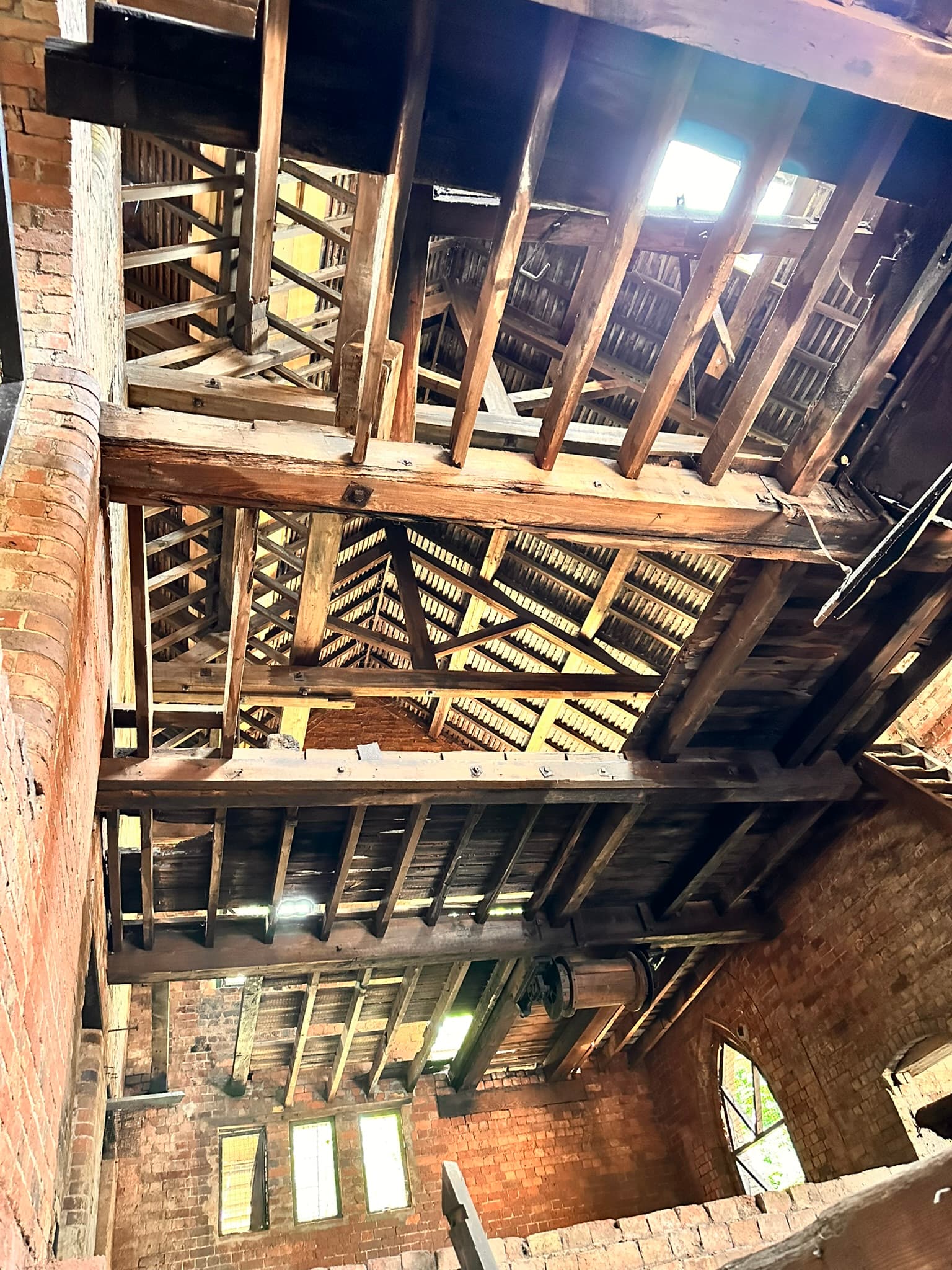
Crowstep works with architects who are new to conservation and need clear guidance on appropriate materials, repair methods, heritage constraints and proportionate design responses. The practice also supports architectural, structural and building services teams where conservation expertise is needed for a particular element, stage or decision, helping ensure that proposals are technically sound, sensitive to significance and appropriate to the existing fabric.
What conservation input covers
Fabric review and assessment
Understanding the building’s construction, materials, condition, repair history and structural characteristics. This informs what work is possible and what constraints exist.
Significance assessment
Identifying what is architecturally, historically or constructionally significant about the building. Understanding significance helps develop design proposals that respect what matters.
Heritage statements and consent strategy
Preparing heritage statements or statements of significance for consent applications. Advising on what information local authorities are likely to require and how to structure applications.
Repair strategy and detailing
Advising on appropriate repair methods and materials: what lime mortar specification suits the masonry, what timber species is appropriate, what window repair is sympathetic to the existing frames. How repairs can be executed without damaging adjacent fabric.
Specification review
Reviewing architect’s specifications for compatibility with the building type, ensuring materials and methods respect the building’s construction and significance, and flagging potential problems.
Site advice
Supporting architects through construction, advising on decisions that arise on site, interpreting specifications in context of site conditions. Working with contractors to understand specifications.
Typical Outputs
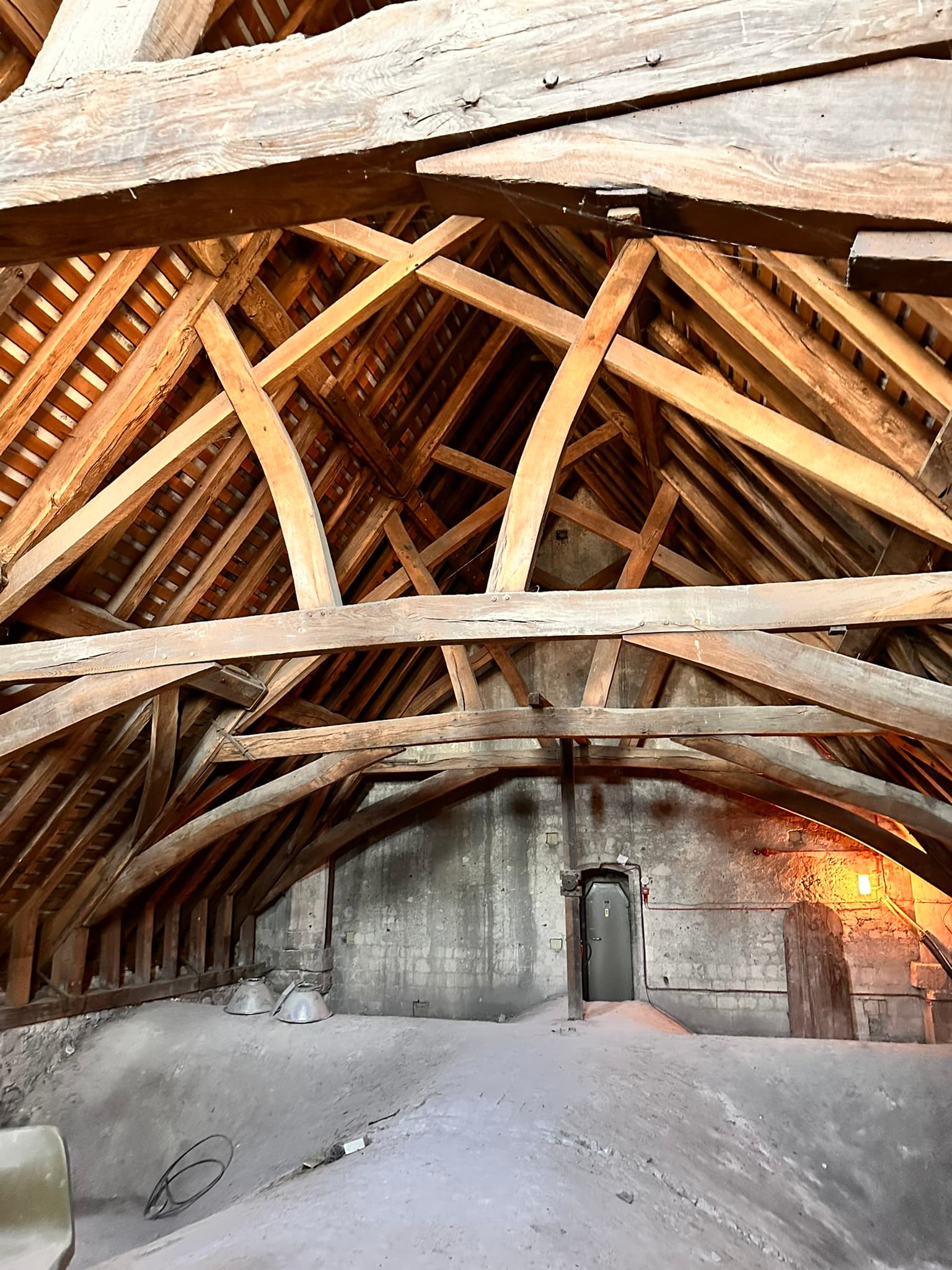
- Fabric assessment or building condition notes
- Significance statement
- Heritage statement for consent application
- Drawings or specifications marked up with conservation advice
- Materials recommendations and specification
- Site notes and practical guidance
Next steps
Get in touch early to discuss the building, the proposed work and what conservation input would be most useful. Input can be scoped for specific stages (design, consent, tender, construction) or for the full project, in proportion to its scope and risk. Early engagement often prevents costly misunderstandings later.