
Quinquennial Surveys & Inspections in Scotland
Crowstep provides quinquennial surveys, condition inspections, defect diagnosis and maintenance planning for churches, chapels, community buildings and heritage properties across Scotland, including Church of Scotland and Scottish Episcopal congregations. The advice is written for trustees, fabric committees, congregations and community groups.
Churches and community buildings are often the oldest, most significant structures in a village or town. They are also among the most difficult to maintain: high exposed walls, complex roofs, large windows and often limited budgets for repair and maintenance.
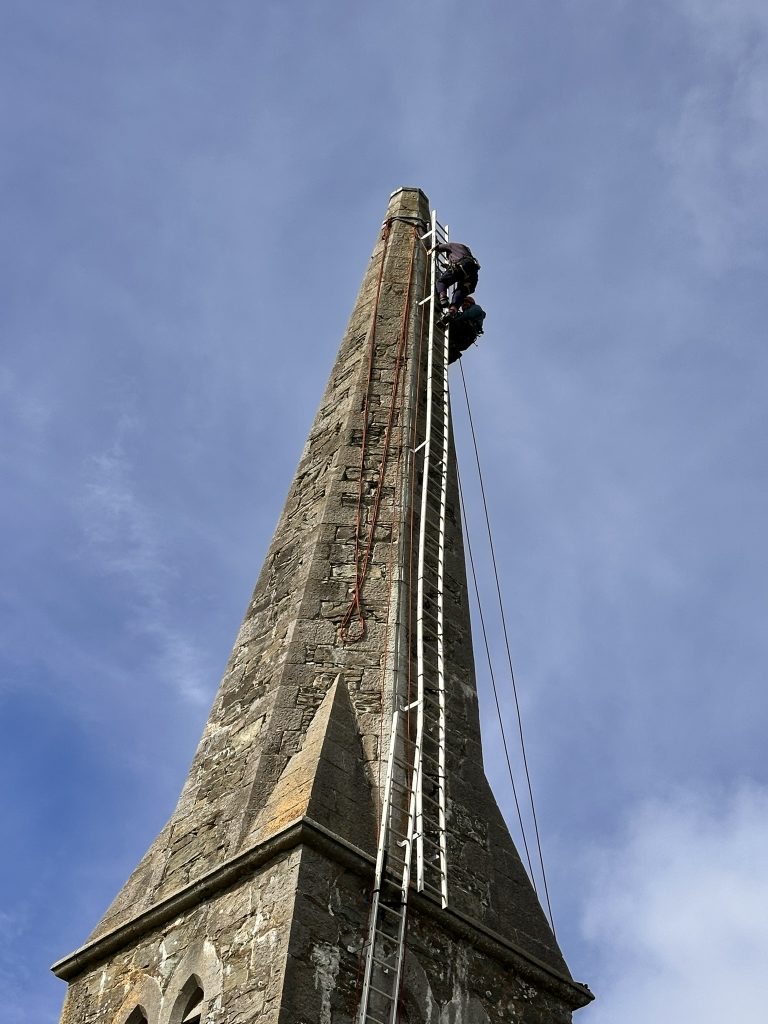
What is a Quinquennial Survey?
Quinquennial surveys, sometimes called quinquennial inspections, examine a church building every five years and are a good practice standard in Scotland. They provide a regular review of condition, identify emerging problems before they become serious, and help prioritise spending on maintenance and repair.
A quinquennial inspection typically:
- Examines the building’s fabric systematically
- Identifies defects and damage
- Notes what repairs are urgent and what can be planned
- Recommends priorities for the next five years
- Notes areas needing specialist investigation
- Is reported in plain language for committees and congregations
What a quinquennial inspection includes:
Roof and high-level access
Roof covering, flashings, gutters, downpipes, high-level masonry
Masonry
Stone or brick condition, pointing, evidence of movement or damp
Windows and doors
Timber frames, glazing, operation, condition
Timber
Visible timber, dry rot, wet rot, beetle
Internal condition
Plaster, finishes, heating, services
Damp and moisture
Moisture ingress, penetrating damp, condensation
Accessibility
Steps, handrails, paths around the building
Safety hazards
Loose stone, unstable features, hazards needing urgent attention
Grant-funded repair projects
Many churches and community buildings rely on heritage repair funding to carry out essential repairs. Funders usually need clear evidence of the building’s condition and significance, what repairs are necessary and why, outline costs and specifications, and how the proposed work will protect the building’s character.
Crowstep can provide condition reports, repair scopes and conservation justification to support grant applications. Reports are written in plain language for trustees, fabric committees, congregations and community groups, using photographs and diagrams where helpful, with a focus on practical priorities and clear next steps.
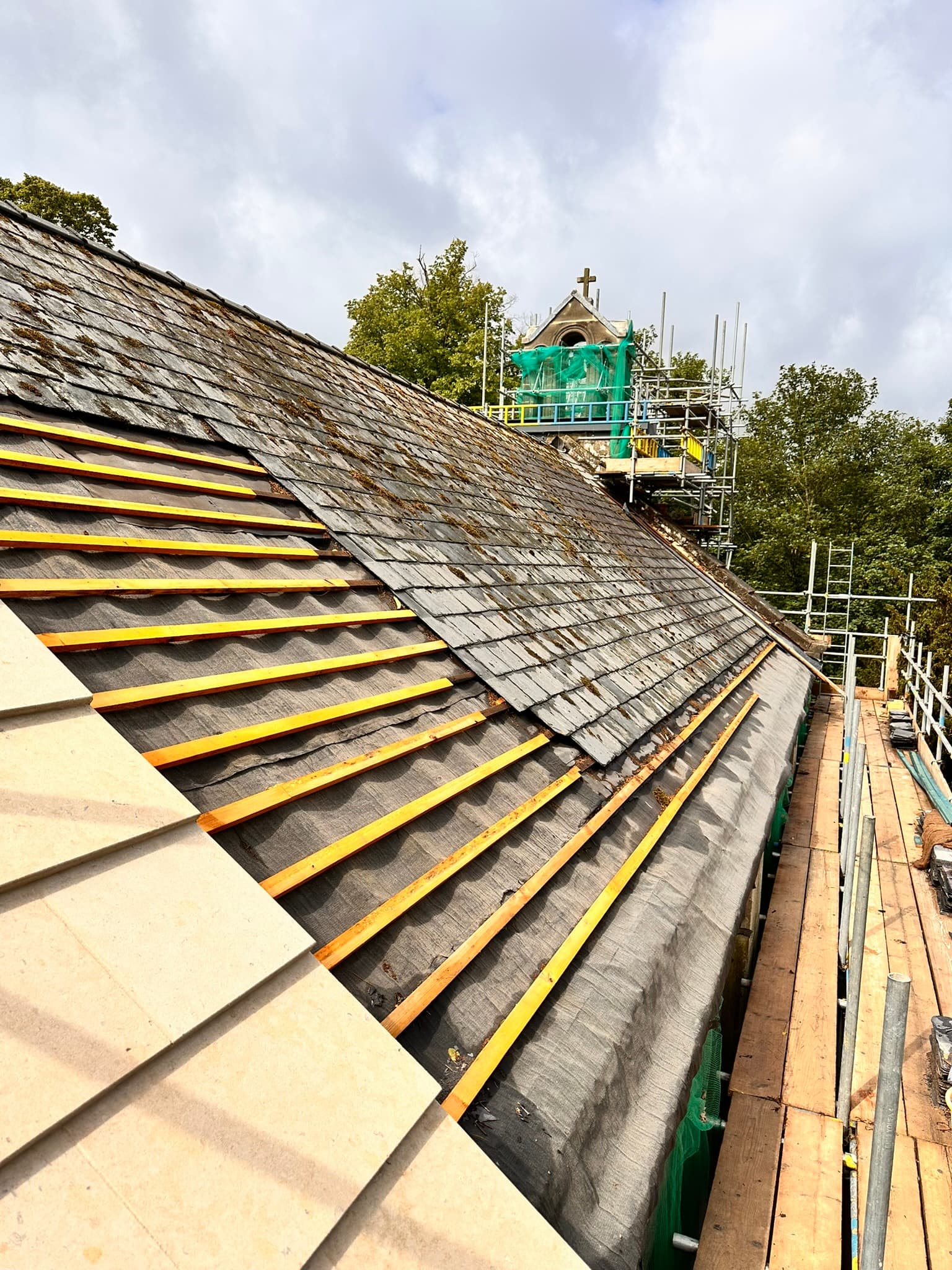
Repair priorities and maintenance planning
From a condition survey, Crowstep can help you prioritise repairs. Some issues are urgent and affect the building’s protection (a leaking roof, for example). Others are important but can be phased over time. A maintenance plan helps you:
- Make informed decisions about allocation of limited resources
- Understand which repairs are most urgent
- Plan for phased work and budgets
- Identify maintenance that prevents bigger problems
- Prepare applications for heritage repair funding
Next steps
Contact us to discuss the building’s condition, your current concerns and what you need from a survey or review. If you are preparing a grant application, tell us your timescale and budget.