
Listed Building Consent in Scotland
Listed building consent is a requirement when you propose certain work to a listed building. Understanding what consent covers, preparing proportionate information and managing the consent process can be straightforward if the application is clear and well prepared.
Crowstep Conservation, based in Edinburgh, advises owners and architects across Scotland on what consent may be required, helps develop proportionate applications, and prepares heritage statements or statements of significance to support consent decisions.
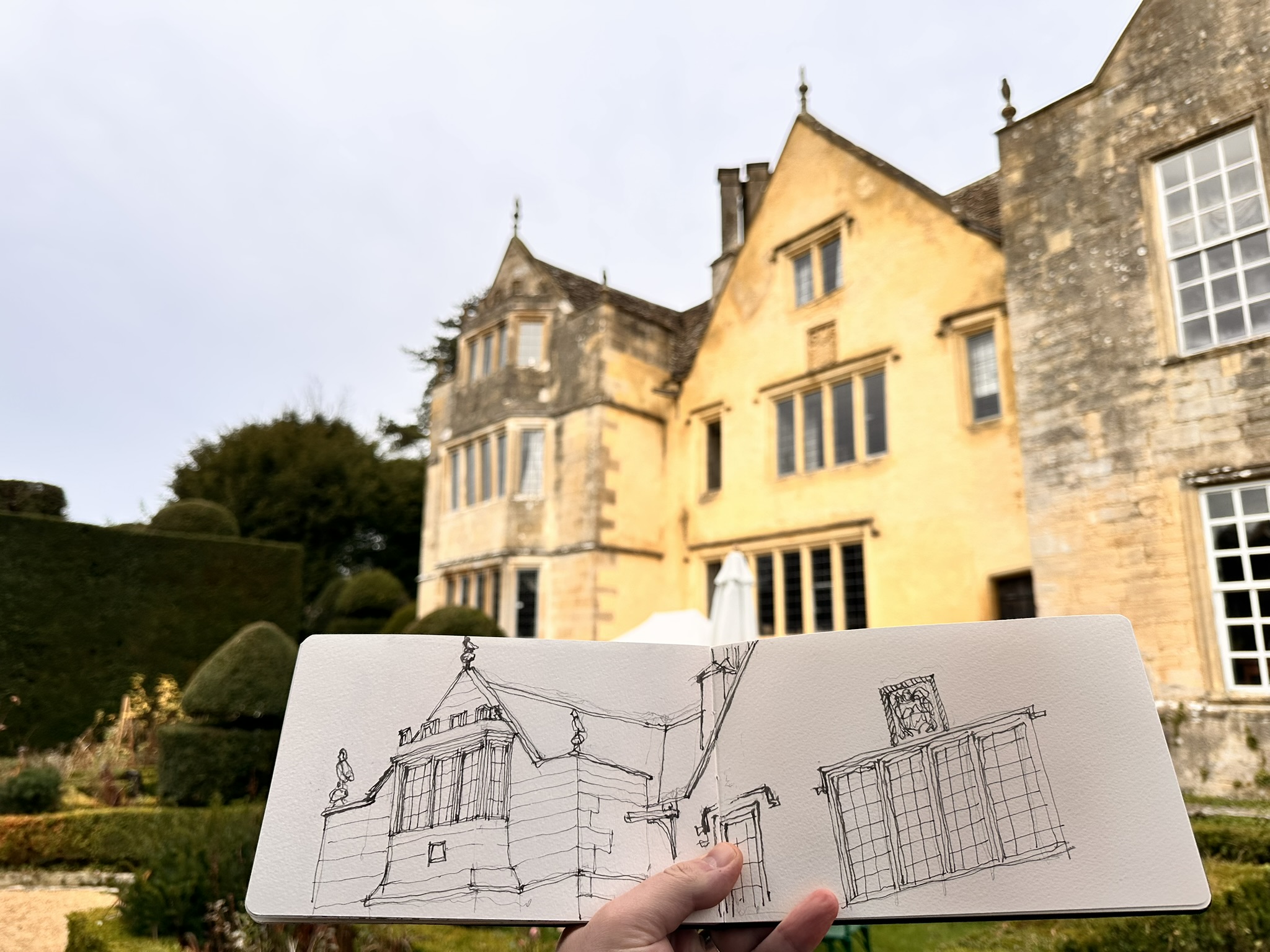
When listed building consent may be required
The main rule: consent is needed for any work that might affect the special architectural or historic interest of the building. This includes most repairs, alterations, extensions and some internal work. The boundary between maintenance and work requiring consent can be unclear, and interpretation varies between local authorities.
Consent likely required
- Roof repairs and renewal
- Window repair or replacement
- Door repair or replacement
- Masonry repair or repointing
- Alterations to internal layout
- New services (plumbing, wiring, heating)
- Extensions or additions
Consent may not be required
Not every piece of work needs consent. Routine maintenance and internal redecoration can usually proceed without an application, as can some internal repairs that do not alter the appearance or character of the building.
If in doubt, ask the local authority before work starts. Written confirmation costs little, and carrying out unauthorised work to a listed building is an offence in Scotland.
Understanding significance
Listing decisions and consent considerations rest on understanding the building’s significance: what architectural, historic or constructional qualities make it worth protecting. These might include materials, details, craftsmanship, building form, or historical associations. Understanding what is significant before proposing work helps develop proportionate proposals that local authorities can support.
What a good consent application includes
Clear description of proposed work
What will be done, where and how.
Drawings or photographs
Showing current condition and proposed changes.
Heritage statement
A statement of significance explaining the building’s interest and how the proposal respects or affects it.
Detailed specification
The materials and methods to be used.
Supporting evidence
Photographs, surveys or structural assessment where required.
Local authority liaison
Discussion with the local authority before applying often speeds the process.
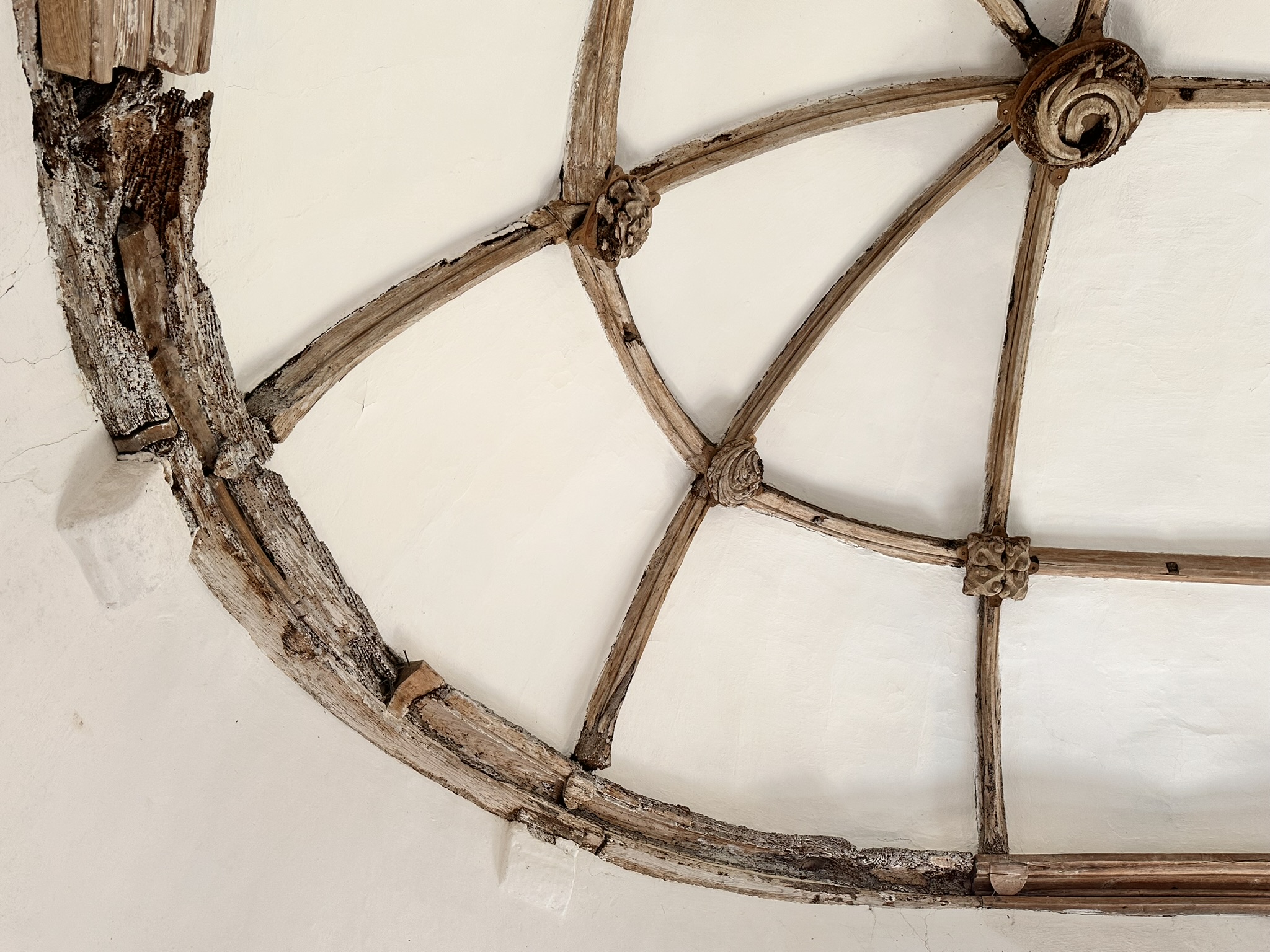
Heritage statements
A heritage statement explains:
- The building’s listing date and category
- Its architectural or historic interest
- Key features that contribute to significance
- Identify how the proposed work respects these features,
- Identify where unavoidable changes are proposed
- Why the proposed work is necessary
A heritage statement need not be lengthy, but it should be specific to the building and the proposal.
Managing the consent process
Crowstep supports owners and architects through the consent process, helping to present proposed works clearly and in relation to the building’s fabric, significance and conservation needs. This can include liaison with local authority planning and conservation officers, responses to consultee comments, and supplementary information where further detail is requested.
Typical outputs
- Heritage statement or statement of significance
- Drawings marked up to show proposed work
- Specification of materials and methods
- Supporting photographs or assessment
- Liaison with the local authority
- Responses to consultee comments
Next steps
Describe the building, explain what work you are proposing and whether you are uncertain about consent. If you have a surveyor’s report or condition assessment, that helps. We will advise on consent requirements and what information will be needed.